
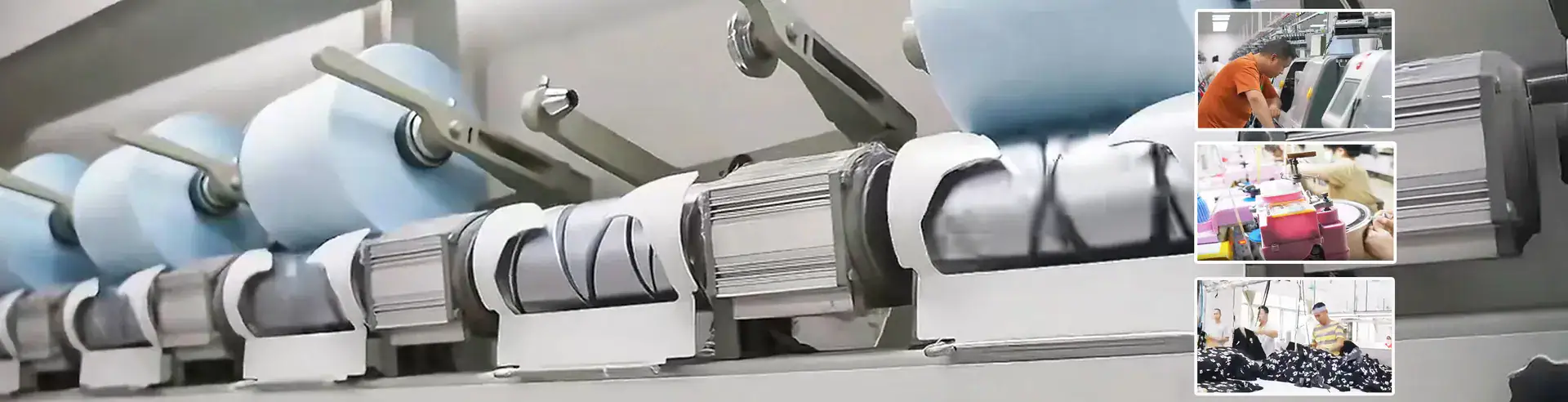
Sweater Manufacturer in China
Sweater manufacturer in China on flat knitting machines, 7G to 18G. MOQ 50 pcs per style, samples in 7–10 days, sweater bulk 30–55 days. AQL 2.5, BSCI and OEKO-TEX.





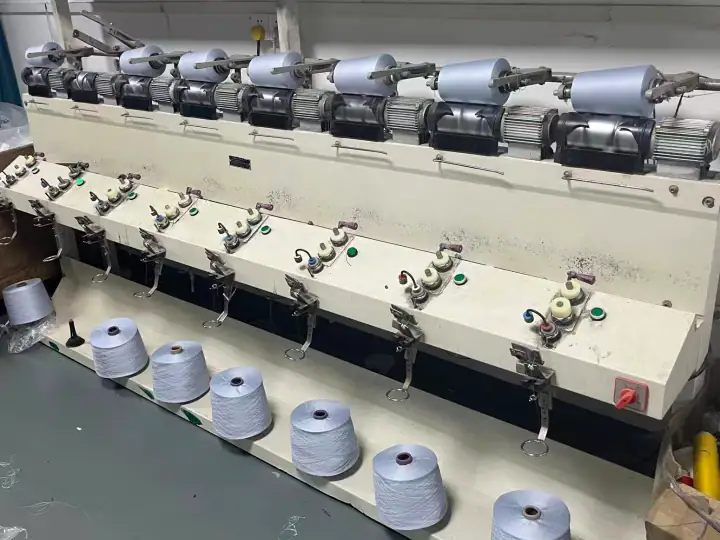
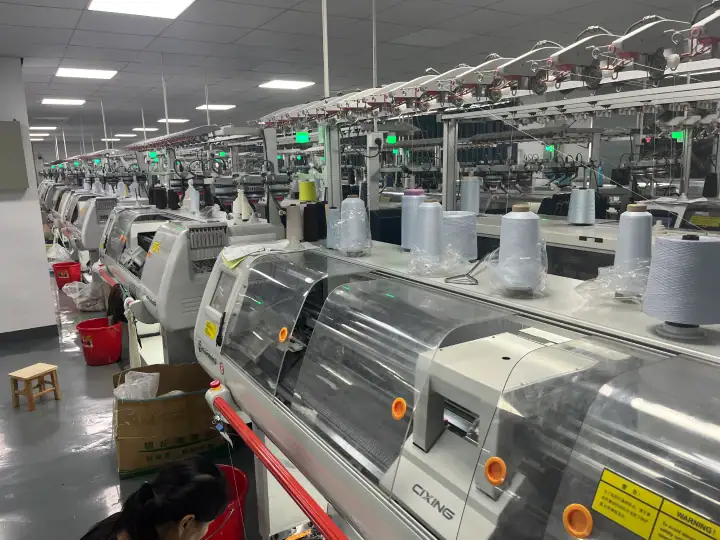
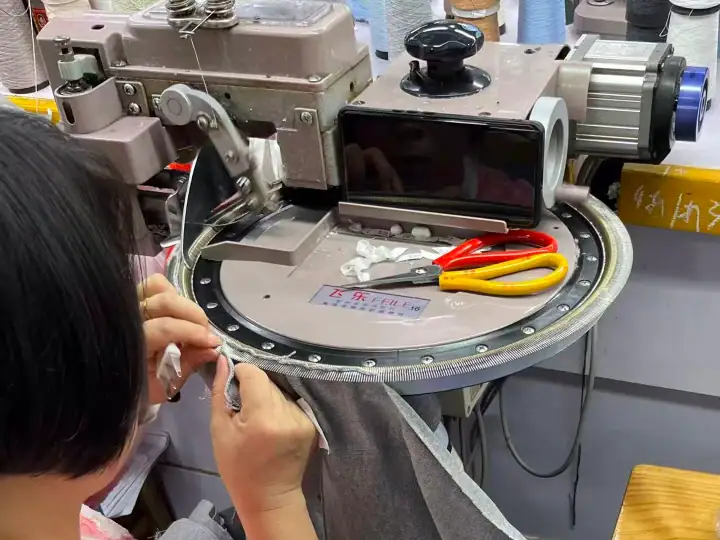
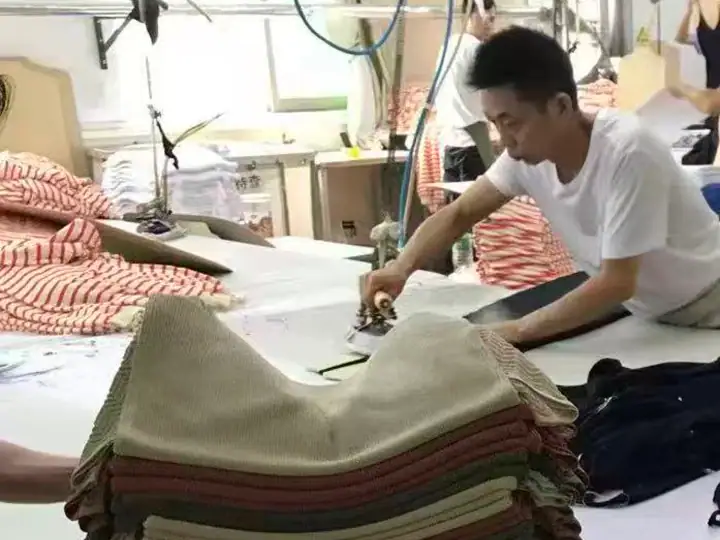
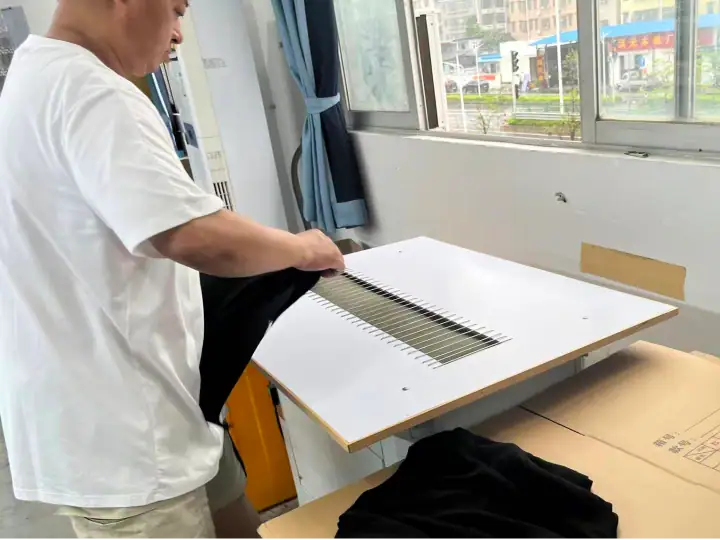
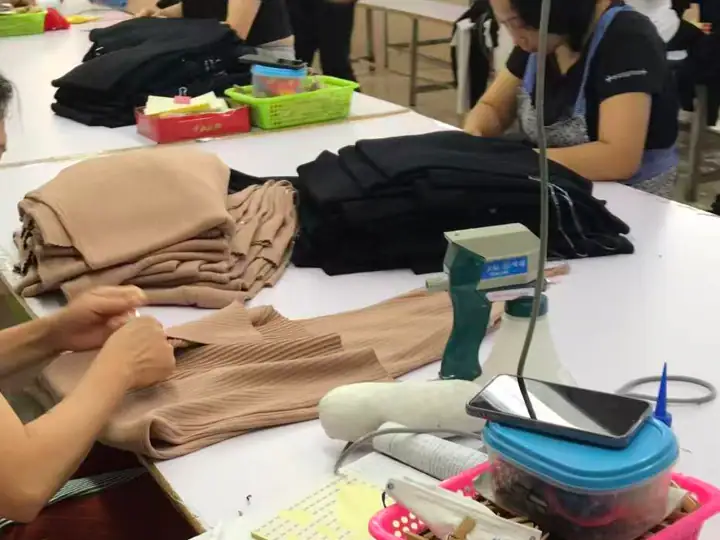
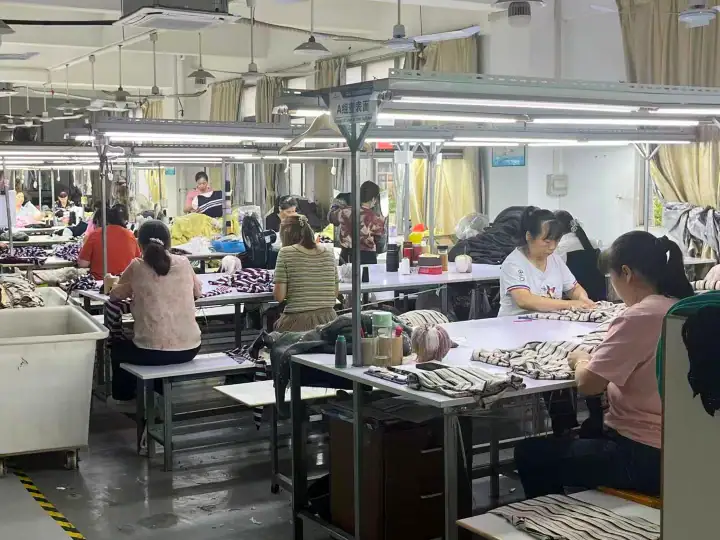
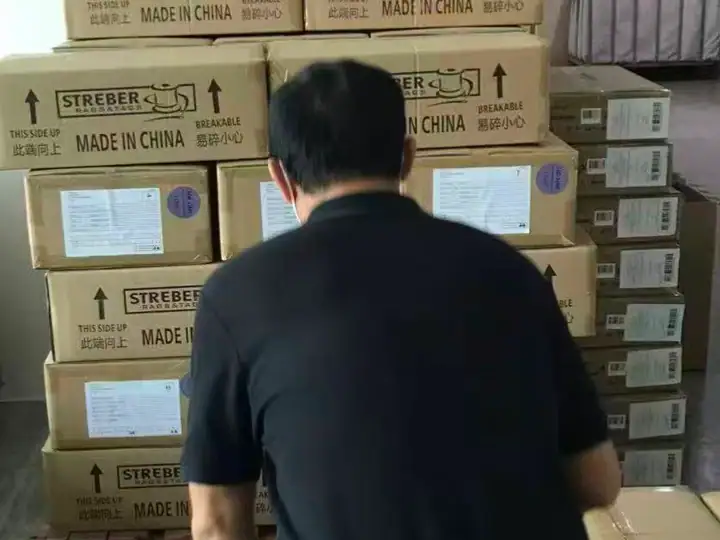
China · flat machine knitwear, 7G to 18G · MOQ 50 pcs per style · samples in 7–10 days when yarn is available · sweater bulk 30–55 days
What a sweater manufacturer does differently
A sweater is knitted to shape on flat machines, panel by panel, then linked together. There is no roll of fabric and no marker. That is why sweater programmes behave differently from knit or woven ones: the yarn is the garment, waste is low, and the shape is decided on the machine rather than at the cutting table.
We are Ningbo United Fish, trading as nbfish. Our sweater lines run in their own Ningbo plant, separate from the knit and woven plant, with fully automatic computerized flat knitting machines from 7G to 18G. Both plants work to one QC standard and one merchandiser is accountable for your whole order.
Gauge: what 7G to 18G means for your design
Gauge is the number of needles per inch, so it sets how fine the stitch is and how heavy the sweater feels. Pick the gauge before you pick the yarn, because not every yarn runs cleanly at every gauge. Output, gauge range and line allocation: gauge range across both knitting lines.
| Gauge | How it reads | Typical use | Note |
|---|---|---|---|
| 7G | Chunky, visible stitch, high loft | Oversize pullovers, cardigans, outerwear knits | Forgiving on yarn irregularity, uses more yarn per piece |
| 9G | Mid chunky, clear texture | Autumn knits, statement cardigans | Good balance of texture and weight |
| 12G | Standard sweater weight | The bulk of a commercial knitwear range | The safest place to start a first programme |
| 14G | Finer, flatter surface | Fine gauge pullovers, layered knits | Yarn quality shows more, so fibre choice matters |
| 16G to 18G | Fine, almost jersey-like | Lightweight knit tops, summer knitwear | Needs a clean, even yarn; defects show immediately |
Yarns we knit
Cotton, cotton blends, viscose, acrylic, wool and wool blends, and recycled options under GRS. We also knit EcoVero viscose where the brief asks for it. Yarn is the single biggest driver of unit cost, hand feel and pilling on a sweater, more than any decision on the machine.
Ask for two yarn options when you cost a style. A cheaper yarn frequently costs more downstream, in pilling complaints and in a second development round, and seeing both numbers side by side is the fastest way to choose.
Linking and washing: where sweater quality is decided
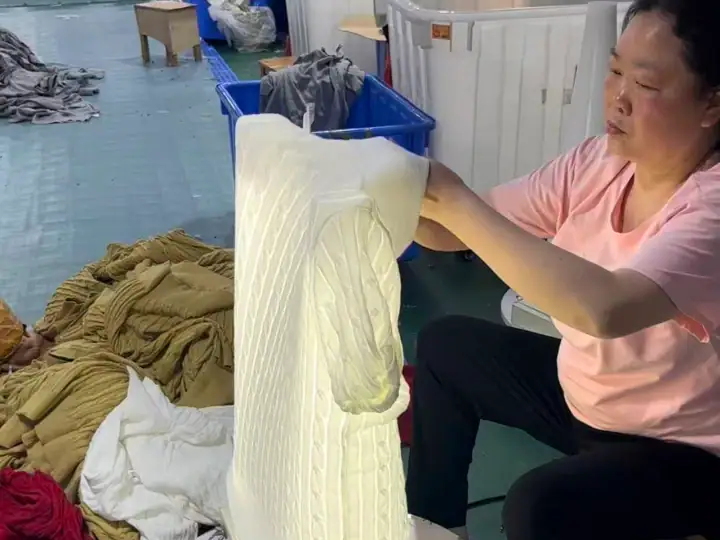
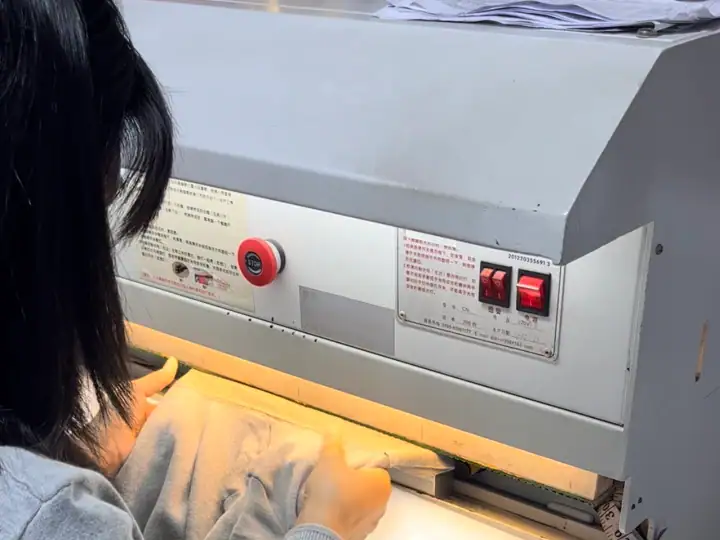
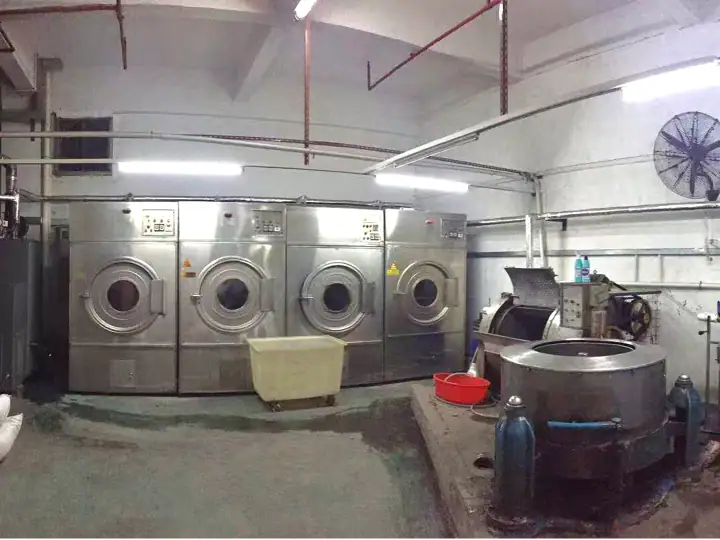
Panels are joined on linking machines, and the linking pull machine is what removes the loose or burst seam risk at the shoulder and armhole, which is the most common structural failure in a cheap sweater. Panels go through light-checking tables before linking, then industrial washing and drying to a specified hand feel, then pressing on forms. We cover sweater production stages on a page of its own.
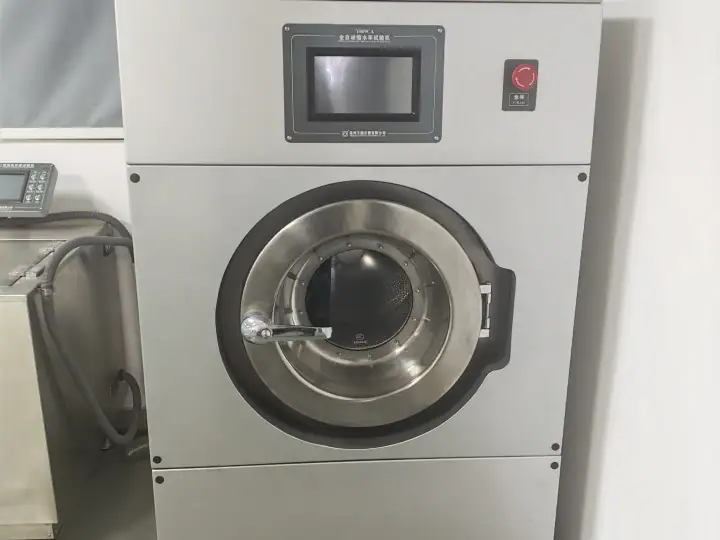
Washing is not a finishing detail on knitwear. It sets the final hand feel, it relaxes the stitch, and it is where shrinkage either gets controlled or gets discovered. We run a wash test on the actual bulk yarn and record the result.
The three joining methods
Linking joins panel to panel loop by loop on a machine whose needle count matches the garment gauge, so the seam reads as a continuation of the knitting. Overlocking sews cut or pressed edges together fast and strong, at the cost of a visible bulk line. Whole-garment knitting produces the piece with no joining at all, and carries the price tag of the machines that do it.
| Method | Appearance | Cost behaviour | Typical use |
|---|---|---|---|
| Linking | Seam follows the stitch line, near invisible | Labour hours, gauge-matched machines | Collars, shoulders, quality programs |
| Overlock | Visible sewn seam with bulk | Fast, lowest labour | Internal seams, casual gauges |
| Whole garment | No join at all | Machine investment, low labour | Premium seamless programs |
Why gauge matching is the whole game
A linking machine must run the same stitches per inch as the knitting that made the panel. Link a 12GG panel on the wrong needle count and the join either gathers or gapes, and no amount of pressing hides it. This is why the sweater plant holds linking machines across the 7GG to 18GG band: the joining spec is written per style at quotation, together with the gauge, so the two travel together through sampling and bulk. The gauge side of that decision is covered in the sweater gauge guide.
Finishing: what happens after the join
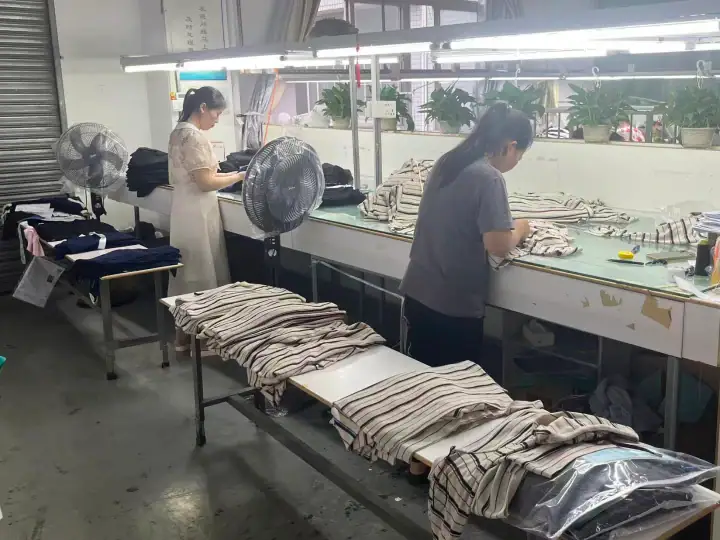
Joined panels at the sweater plant are washed to relax the yarn and settle the hand, then pressed to shape on forms. Labels go on flat, and the garment is inspected after finishing, not before, because washing is where a weak join shows itself. Inspection runs piece by piece before packing by default; where a buyer specifies AQL 2.5 sampling inspection, that standard is applied instead and the report ships with the goods. Bulk programs run 30 to 55 days after PP approval and yarn confirmation, with linking capacity often the quiet constraint on heavily styled knits.
MOQ, sampling and lead time
| Item | Our standard | Note |
|---|---|---|
| MOQ | 50 pcs per style | Sizes mixed within the quantity. On seamless knit programmes it is quoted per size as well as per style. |
| Sampling | 7–10 days | When yarn is available. If it is not, we tell you the dyeing lead time up front. |
| Bulk, sweaters | 30–55 days | After PP approval and yarn confirmation. |
| Bulk, knit | 45–70 days | For circular knit styles, see the knitwear page. |
| Bulk, woven | 45–90 days | For the woven half of a collection, see the woven page. |
| Payment | 20% deposit, 80% before shipment | T/T or L/C at sight. |
| Quote turnaround | 24 hours | A firm number with a tech pack, a range without one. |
Pilling, shrinkage and shape retention
These three generate most knitwear returns, and all three are set before the machine starts. Pilling comes from short fibres and low twist. Shrinkage comes from fibre type and washing, and it is controlled by testing the bulk yarn rather than assuming. Shape retention comes from the stitch structure and from how the garment is dried, so we dry to a specification rather than to a timer. You can start at 50 pcs per style and scale the style once it sells.
Quality control on a sweater line
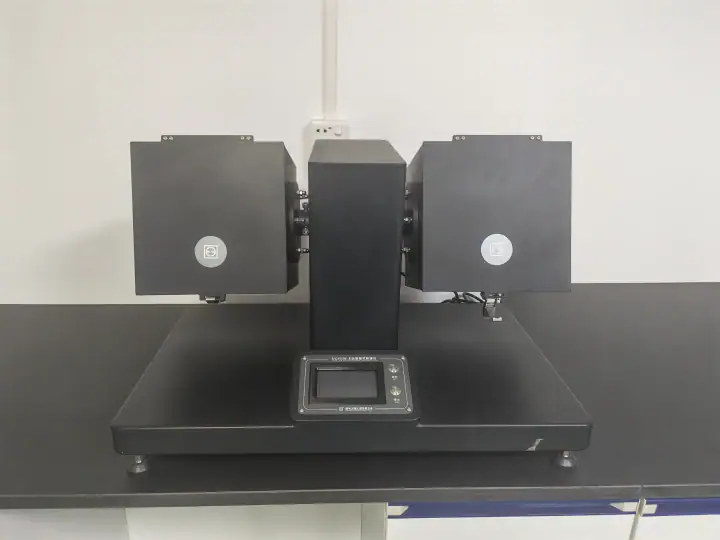
Panels are light-checked before linking. Finished sweaters are washed, dried to spec, pressed on forms and checked against your graded measurements. We look for dropped stitches, yarn variation between panels, placket twist and button alignment, then run a final inspection at AQL 2.5. Those four checks catch most of what a customer would otherwise find. The detail behind linking and washing checks sits on a separate page.
Sweater, knit or woven: which line fits your collection
Sweaters are shaped on the machine. Knit is cut from knitted fabric. Woven is cut from rolls. The lead times and the minimums differ, and so does what each one is good at. Full detail: cut-and-sew knitwear, not flat-bed knitting. See the woven line for the full picture.
| Line | How it is made | Hand feel | Bulk lead time | Best for |
|---|---|---|---|---|
| Knit | Circular knitting, then cut and sewn | Soft, stretchy, follows the body | 45–70 days | Tees, knit dresses, knit skirts, jersey layers |
| Sweater | Flat knitting machines, 7G–18G, panels linked | Lofty, shaped, holds its own form | 30–55 days | Pullovers, cardigans, jumper dresses |
| Woven | Cut and sewn from rolled cloth | Structured, crisp, tailors well | 45–90 days | Shirts, trousers, blazers, tailored outerwear |
A collection that runs all three is normal. It is also why we keep two plants under one merchandiser: your sweater programme and your woven programme are quoted and tracked as one order, not handed between suppliers.
When a brief covers more than sweaters, the same merchandiser carries knit, woven and flat-machine styles in the same order. The custom clothing manufacturing overview sets out MOQ, sampling, bulk lead times and the inspection standard across both plants.
Certifications and compliance
We hold BSCI, OEKO-TEX and REACH documentation, and work with GRS-certified recycled yarn where the brief calls for it. Ask for the certificate number, the validity window and the scope. A certificate with a date and a scope tells you more than a logo on a website.
Frequently asked questions
Q: What is your MOQ for sweaters?
50 pcs per style, sizes mixed inside that quantity. Tailoring with custom interlining or a structured shoulder is quoted case by case, because the set-up is different from a simple woven top.
Q: How long does a sweater programme take?
Sampling runs 7–10 days when yarn is available. Bulk runs 30–55 days after PP approval and yarn confirmation. If the yarn has to be dyed to order, we tell you that number at quote stage.
Q: Which gauge should I use for a first collection?
12G, unless you have a reason not to. It is the most forgiving on yarn, it suits the widest range of styles, and it is where most commercial knitwear sits. Go coarser for a statement texture, finer for a lightweight layer.
Q: Can you develop a yarn to match a swatch?
Yes. Send a physical swatch and we will come back with the closest stock option and, if that is not close enough, a development route with the dyeing lead time stated.
Q: Where are my sweaters made?
In our flat knitting plant in Ningbo, which is separate from the plant that runs knit and woven garments. Both follow the same QC standard and one merchandiser owns your order across both.
START A PROJECTReady to Build Your Next Collection?
Tell us about your project
a specialist replies with a tailored quote and timeline. No account needed.
Typical reply confirm SLA
Export countries
Low MOQ (pcs)
You can send your tech pack, and we will come back within 24 hours.