You just unpacked a 5,000-unit bulk order of premium merino sweaters. The yarn feels incredible—until you gently tug a sleeve and the armhole instantly unravels in your hands. For apparel brands and sourcing directors, this “seam blowout” is a worst-case scenario, guaranteeing retail chargebacks, dead inventory, and a permanently damaged reputation.
You can source the finest yarn in the world, but a garment’s structural integrity is won or lost on the factory floor. The only way to eliminate unraveling edges at scale is by mastering the linking machine. Often called a dial linker or pull machine by overseas manufacturers, this specialized equipment is the backbone of fully fashioned knitwear. By binding every individual loop of yarn, it creates a seamless, highly elastic, and virtually indestructible join.
Defects in Knitwear Assembly
Knitwear behaves entirely differently from woven fabrics. You cannot run a knitted panel through a standard sewing machine without instantly killing its natural stretch. This unique, interlocking architecture brings a specific set of risks to the sourcing table.
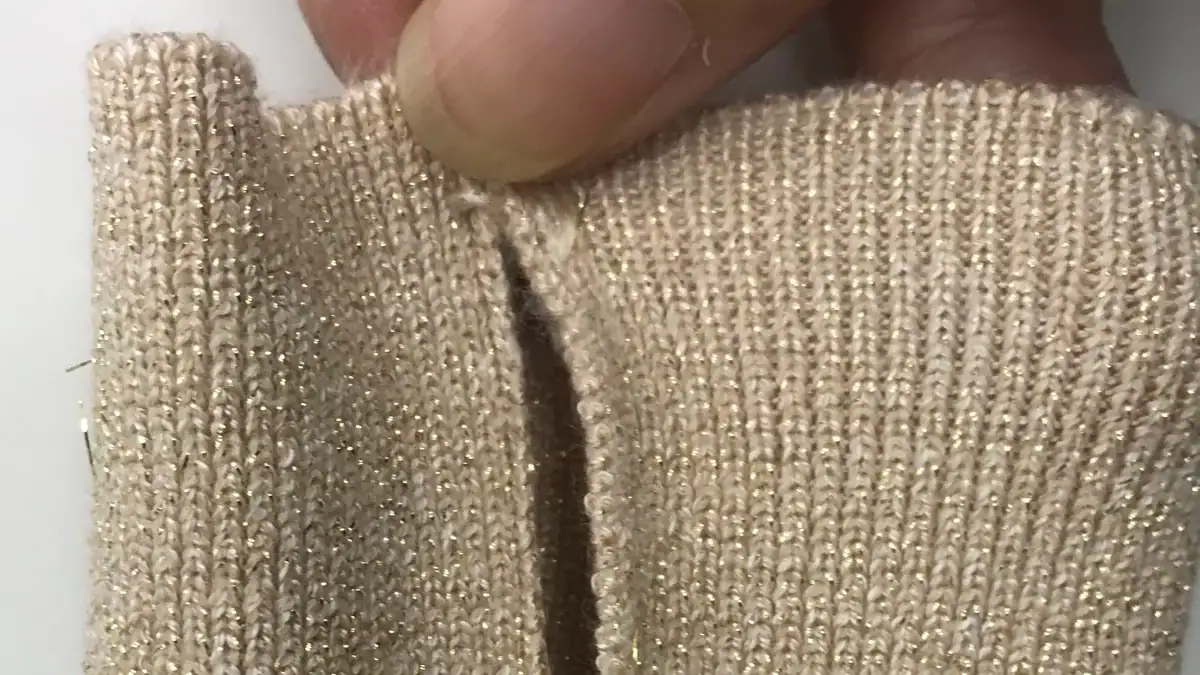
- Seam Blowouts: This is the most critical structural failure. Because sweaters consist of continuous interlocking loops, one broken thread or dropped stitch during assembly can cause an entire side seam to unravel.
- Pilling and Fuzzing: Short staple fibers break loose and tangle on the fabric’s surface, making brand-new inventory look worn prematurely.
- Dimensional Instability: Knit fabrics are highly elastic. Variations in knitting tension or clumsy steam pressing result in garments that violate your tech pack’s size tolerances.
- Shrinkage and Felting: Improper wet-processing of natural animal fibers causes the microscopic scales on the yarns to lock together, permanently shrinking the garment.
While pilling and shrinkage are generally yarn-level or wet-processing issues, loose seams are strictly an assembly failure. Seam blowouts are entirely preventable with the right machinery, rigorous quality assurance, and a highly trained factory workforce.
The Anatomy of a Seam Failure
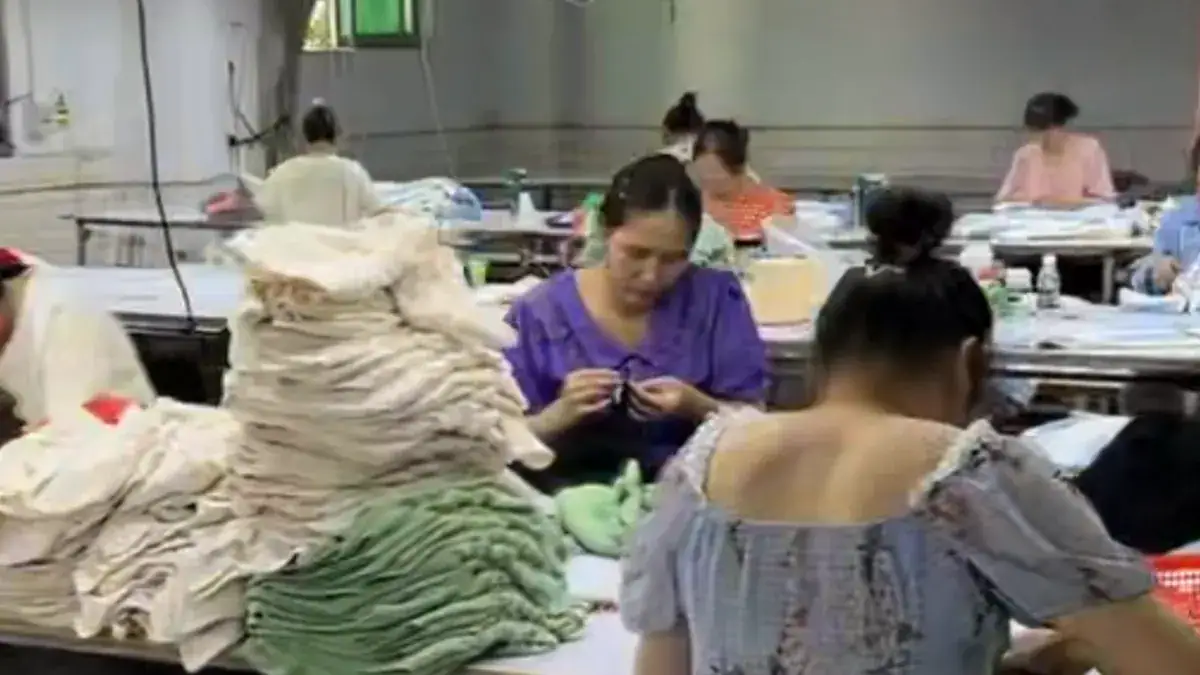
The architecture of a premium, fully fashioned sweater is delicate. Unlike budget fast-fashion knits that are cut from large rolls with scissors and violently sewn together using overlock machines (the “cut-and-sew” method), high-quality sweaters are knitted to their exact final shapes.
The front, back, and sleeves exit the knitting machines with finished selvedges. These individual panels must then be connected loop-by-loop. When a seam fails, the breakdown almost always occurs during this specific assembly phase.
The most common culprits include:
- Human Error: An operator misses a single loop when mounting the knitted panels onto the machine. In apparel sourcing, a dropped stitch is a ticking time bomb.
- Incorrect Yarn Selection: If the linking yarn is too rigid, it will snap under the natural tension of a customer putting the sweater on.
- Poor Calibration: If tension settings are too loose, the knitted panels will pull apart slightly when worn, creating ugly, visible gaps known on the factory floor as “smiling seams.”
Core Mechanics of the Linking Machine
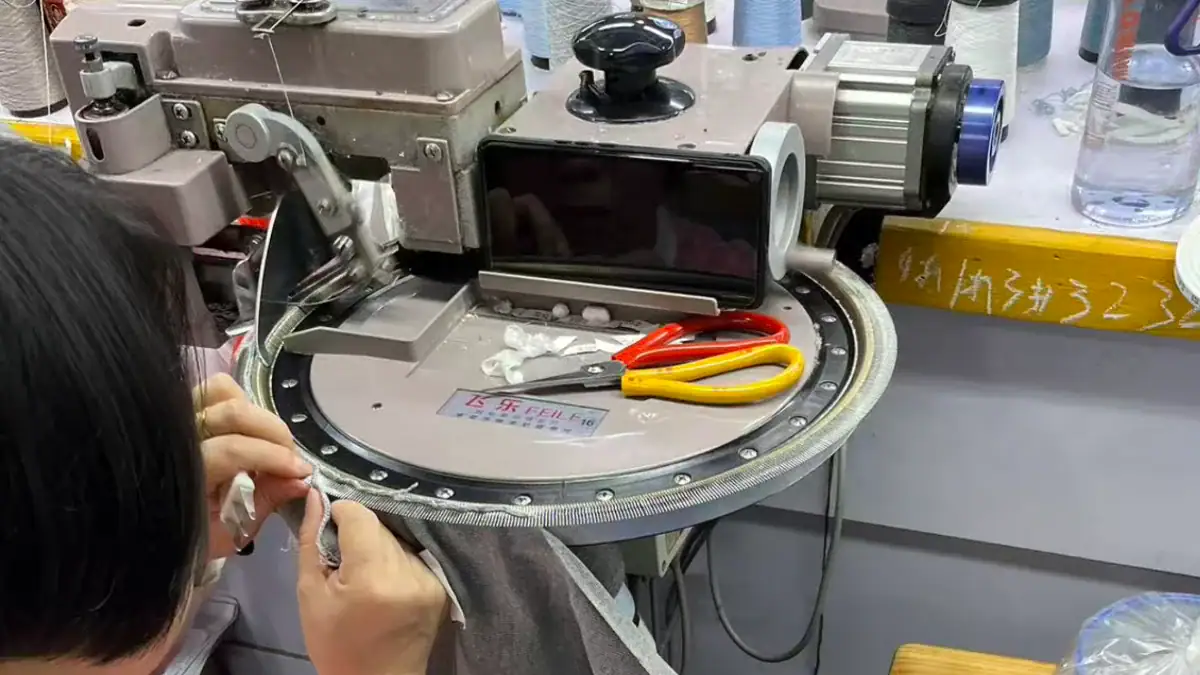
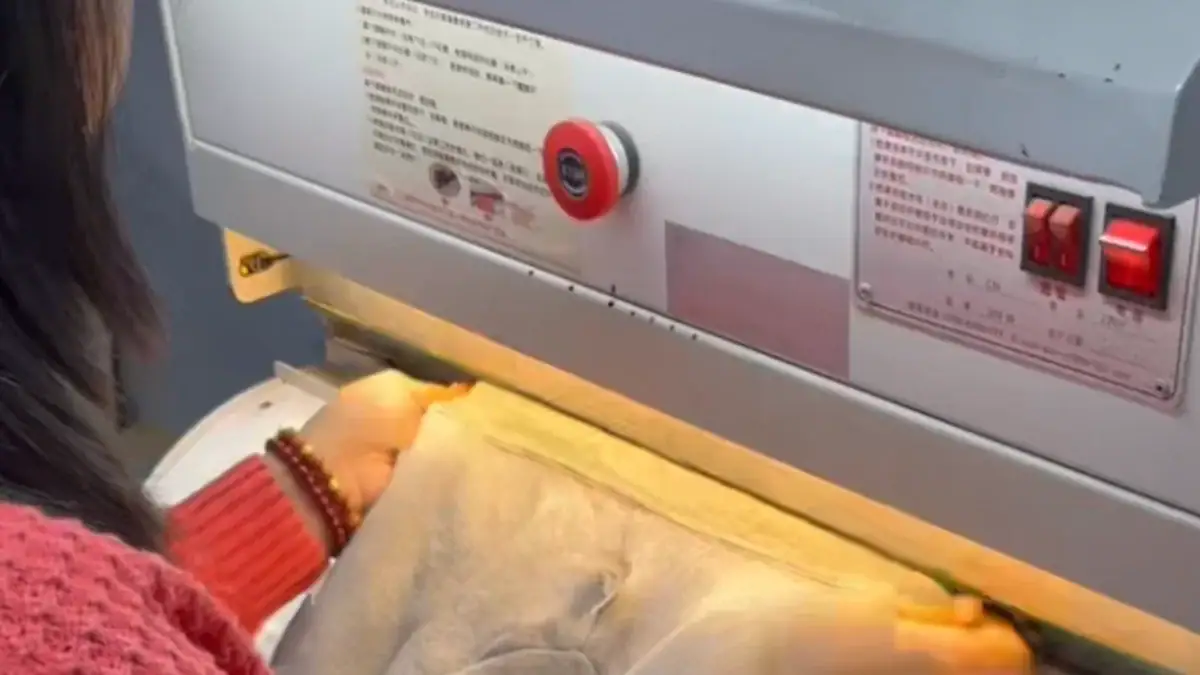
To permanently solve these construction defects, authentic knitwear factories rely exclusively on specialized equipment. At its core, a linking machine features a rotating circular dial equipped with hundreds of sharp, precisely spaced metal spikes.
On the production line, a worker takes the edges of two sweater panels and carefully pushes the open loops of the yarn onto these outward-facing spikes, matching them up one by one. Once perfectly aligned, the machine mechanically stitches a single thread through all of those loops. This binds the two pieces together so they stretch and move as one solid fabric.
Technically, the machine aligns the exact gauge of the knitted fabric with the gauge of the dial’s points. The operator performs a highly skilled manual action called topping, stretching the selvedge over the points. A specialized needle and looper mechanism then carries a dedicated linking yarn through the held loops, creating the interlocking chain stitch that provides critical elasticity.
Factory Floor SOPs: Prevent Seam Failure in Mass Sweater Production
Fixing loose linking during mass production requires strict adherence to operating procedures. World-class manufacturers enforce the following protocols to guarantee flawless construction:
- Strict Gauge Matching: The point-gauge of the linking machine must precisely match the gauge of the sweater. You cannot force a chunky 3-gauge sweater onto a fine 12-gauge machine. Mismatched machinery guarantees dropped loops and total seam failure.
- Strategic Yarn Selection: Standard sewing thread has no place on a sweater. Linking yarn must be highly compatible with the main body yarn, often featuring a fine nylon filament twisted in for added tensile strength. It must also pass through a wax disc to reduce friction during high-speed stitching.
- Daily Tension Calibration: Mechanics must adjust the tension discs on the `yarn feeder` daily. Too tight, and the seam snaps. Too loose, and the seam smiles, creating an easy target for snags.
- Flawless Topping Execution: Skilled labor is non-negotiable. Training an accurate “topper” takes months. Rushing the loop-by-loop mounting process leads to dropped stitches.
- Tacking the Chain Tail: Once linking finishes, the machine leaves a tail of loose chain stitches. A finishing worker must manually use a latch needle to pull this chain back inside the seam, locking it off permanently. Trimming the chain flush will cause the seam to unravel backward within a few wears.
Profit Losses Caused by Poor Sweater Seam Work
Quality control failures carry a devastating financial burden that ripples across the retail supply chain.
If the wholesale cost of a premium merino wool sweater is 45 USD with a retail price of 120 USD, a 5,000-unit bulk order represents significant capital. If just 5% of that shipment suffers from seam blowouts due to a sloppy factory, the immediate retail revenue vaporized is 30,000 USD.
The real financial hemorrhage comes from retail partners. Major department stores will hit the brand with severe chargebacks for vendor compliance failures. The brand will also be forced to absorb the reverse logistics costs of managing the defective inventory, and the retailer will likely cancel upcoming seasonal purchase orders.
Comparing Knitwear Assembly Methods
To understand why the dial linker is non-negotiable for premium brands, compare it to the cheaper methods often pitched by budget factories:
| Joining Method | Elasticity & Stretch | Seam Durability | Production Speed | Visual Finish |
| Linking Machine (Dial Linker) | Extremely High | Excellent | Moderate | Perfectly flat, premium seamless look |
| Overlock Sewing (Cut & Sew) | Low | Good | Very Fast | Bulky, cuts the yarn loops, looks cheap |
| Hand Stitching | High | Variable | Very Slow | Artisanal but visible, impossible to scale |
| Cup Seaming | Moderate | Good | Fast | Leaves a slight, noticeable ridge inside |
The linking machine provides the optimal balance of high-end aesthetics, necessary stretch, and commercial durability, remaining the undisputed gold standard for fully fashioned sweaters.
Advanced Quality Assurance (QA) Protocols
Preventing loose seams requires proactive intervention before garments reach the pressing and packing departments. Top-tier B2B manufacturers implement rigorous QA protocols designed to pass strict third-party AQL (Acceptable Quality Limit) inspections.
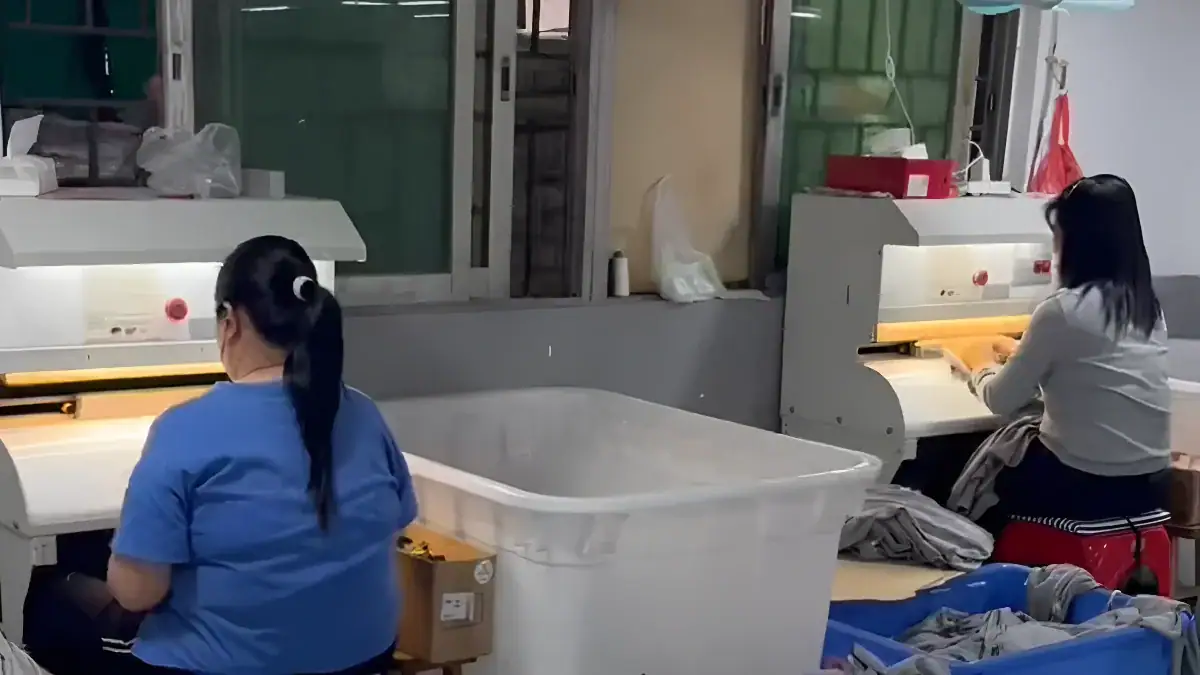
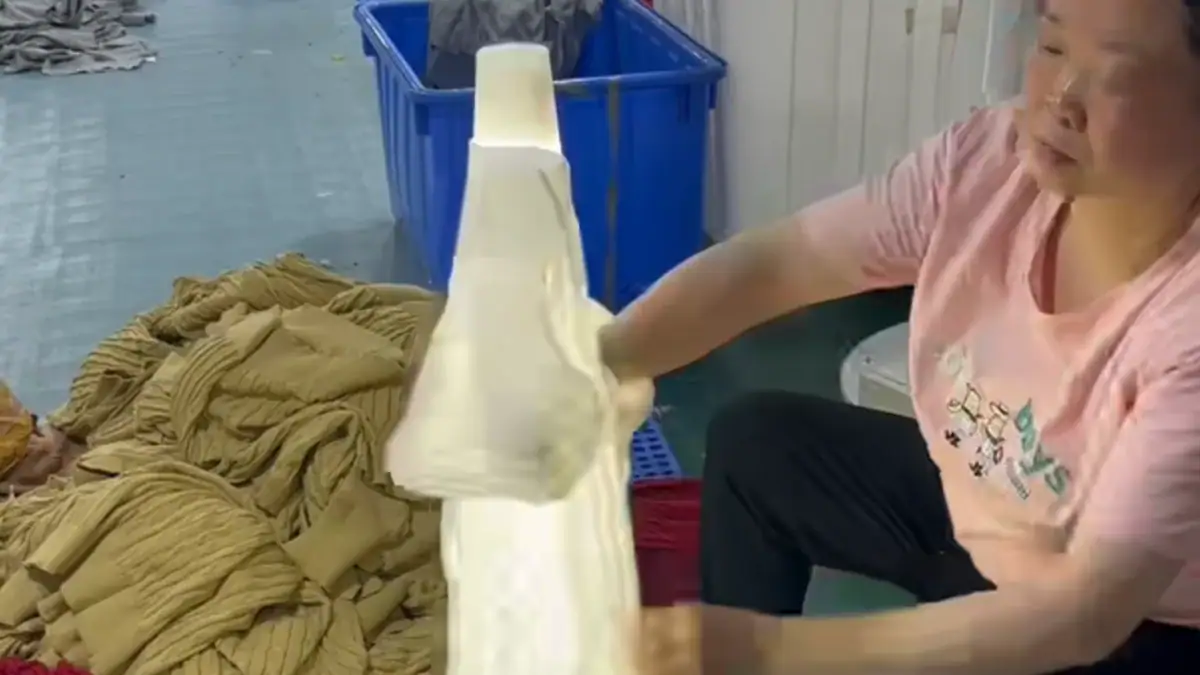
- Light-Box Inspections: QA workers stretch the newly linked seams over a brightly illuminated cone to highlight missed loops or tension inconsistencies. If light shines cleanly through a gap, the sweater is rejected and sent for repair.
- Destructive Pull-Tests: QA managers conduct routine stress tests on random line samples. This guarantees the linking yarn can withstand maximum wearer force without snapping.
- Preventative Maintenance: Bent points, dull needles, or lint buildup in the machine’s mechanisms are quickly resolved before they compromise an entire production run.
Securing Your Production
The structural integrity of your knitwear dictates the lifespan of your brand’s reputation. By partnering with apparel manufacturers who deeply understand linking machine technology and enforce rigorous factory-floor QA protocols, brands can eliminate seam blowouts. Investing in proper construction protects your profit margins, prevents retailer chargebacks, and ensures you deliver a premium, fully fashioned product that scales successfully.
Frequently Asked Questions (FAQ)
What is a linking machine in knitwear manufacturing?
A linking machine (also known as a dial linker or pull machine) is specialized factory equipment used exclusively in sweater production. It features a circular dial with fine metal points. Operators manually mount the open loops of knitted panels onto these points, allowing the machine to stitch them together loop-by-loop to create a flat, highly elastic seam.
Why do my sweater seams keep coming loose or unraveling?
Seam blowouts are almost always caused by assembly errors on the factory floor. Common reasons include a worker dropping a loop during the manual “topping” process, incorrect yarn tension calibration, or the factory using a machine gauge that does not perfectly match the gauge of the knitted sweater panels.
What is the difference between “cut-and-sew” and “fully fashioned” sweaters?
“Cut-and-sew” involves knitting large continuous rolls of fabric, cutting out shapes with scissors, and sewing them together with overlock machines. This is a cheap method that creates bulky, rigid seams. “Fully fashioned” sweaters are knitted to their exact final shape with finished selvedges, then joined loop-by-loop using a linking machine, resulting in a premium, stretchy, and durable garment.
How can a clothing brand test knitwear seams before bulk shipping?
Brands should require their manufacturing partners to perform 100% light-box inspections (stretching seams over an illuminated cone to spot microscopic gaps) and random destructive pull-tests. These stress tests ensure the linking thread can withstand maximum wearer tension without snapping, ensuring the batch will pass standard AQL 2.5 final random inspections.