Chemical compliance is decided at the sourcing table, long before a garment is cut. A certificate requested at the packing stage is a symptom of a sourcing plan that never mentioned it. This page sets out what STANDARD 100 by OEKO-TEX actually covers, what it does not, and how we structure fabric buying so skin-contact categories clear EU and US checks without a last-minute scramble. The full picture of certificates, audits and route-based documents is mapped in our sustainable and certified clothing manufacturing overview.
What STANDARD 100 by OEKO-TEX actually certifies
STANDARD 100 tests a finished textile article against a published list of harmful substances: restricted azo dyes, formaldehyde, heavy metals, phthalates and others, with limits that are frequently tighter than the legal minimums in the destination market. Every certificate names the applicant, the article or article group, and the product class. The class is the part buyers most often get wrong.
| Product class | Applies to | Typical styles |
|---|---|---|
| Class I | Babies and toddlers up to age three | Kidswear, baby bodysuits, bibs |
| Class II | Direct skin contact | T-shirts, leggings, underwear, knit dresses |
| Class III | No direct skin contact | Jackets, outerwear, lined trousers |
| Class IV | Decoration only | Wall textiles, upholstery |
A certificate for a Class II fabric does not cover a baby program. If your range includes kidswear, the sourcing brief should say Class I in writing, because the mill quotes to what you ask for.
What it does not cover
STANDARD 100 is a product test, not a process or a social claim. It says nothing about working conditions at the mill or the factory, and it is not a fibre-content claim. Recycled content sits under a separate route, detailed on our recycled polyester GRS manufacturing page: where a certified recycled yarn route applies to your order, the GRS transaction document is issued with the goods, and where certified organic cotton applies, the OCS document follows the same logic. Audit coverage such as BSCI is a third track again. Treat the three as separate files, because your compliance reviewer will.
How we source to it
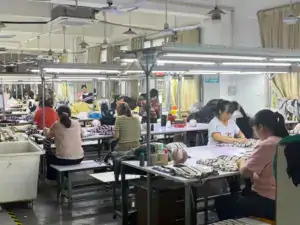
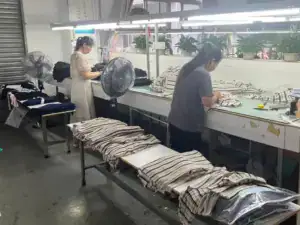
At our knit and woven plant, fabric purchasing starts with mills that hold valid STANDARD 100 scopes for the class your program needs, and the scope documents travel with the enquiry, not after it. Trims matter as much as the body cloth: sewing thread, elastic, labels and prints each carry their own compliance exposure, so trim sourcing is specified in the same brief. Skin-contact categories such as kidswear and underwear are defaulted to Class I or II depending on the end user, and the choice is written into the tech pack so sampling and bulk buy against the same scope.
Certificates remove chemical risk. They are not a quality guarantee, and the full certificate landscape is compared in our certifications explained guide, which is what the inspection step is for. Unless your order specifies AQL 2.5 sampling inspection, garments are inspected piece by piece before packing, and the two systems run in parallel rather than one substituting for the other.
Frequently asked questions
Is OEKO-TEX mandatory for selling in the EU?
No regulation makes it mandatory, but REACH restricts many of the same substances, and STANDARD 100 limits are typically stricter. Buyers treat it as the practical way to evidence compliance across a range without testing every article themselves.
Does the certificate cover my sewing thread and labels?
Only if they are named in the scope. Trims are certified separately by their own suppliers, so the sourcing brief should list them explicitly and collect scope documents for each, the same way as the body fabric.
Who keeps the scope documents?
We collect them from the mill and hand them over with the shipment file. Buyers should still archive their own copies, because auditors and agents usually ask the brand first, not the factory.